




From 27th October 2025, major changes to housing regulations will kick in, designed to tackle one of the housing sector’s most persistent and dangerous problems: damp and mould.
These aren’t just guidelines; they’re legal requirements. Under Awaab’s Law, named after the tragic death of 2-year-old Awaab Ishak due to prolonged mould exposure, social landlords must now investigate and resolve reports of damp and mould within fixed timeframes, and repair emergency hazards within 24 hours.
Who’s affected?
If you’re a social landlord or housing association, these changes apply directly to you. But they also have huge implications for installers, particularly those working in domestic ventilation and property maintenance.
“In 2023, 7% of social rented homes had a damp problem and 4% had hazards rated at the most dangerous ‘category 1’ level” - www.gov.uk
At CEF, we’re here to make sure you’ve got the right tools, tech, and know-how to meet these new requirements head-on—quickly, efficiently, and confidently.
What's the solution?
Step 1: Monitor conditions with environmental sensors
Tracking humidity and temperature across a property is the first step to identifying the root causes of damp and mould. We stock reliable, data-driven products that make it easy.
Aico Ei1020 Environmental Sensors
Monitor temperature and humidity
Easy wall or ceiling installation
Sealed 10-year lithium battery
Link to SmartLINK Gateway for remote data access
Aico Ei1000G SmartLINK Gateway
Securely extracts and transmits sensor data
Supports remote diagnostics and action
Step 2: Improve air quality with ventilation products
Once you've identified a problem, ventilation is the solution. Whether you’re dealing with new builds, upgrades, or retrofits, we’ve got the units and know-how to help you meet updated Part F Building Regs and deliver safer, drier homes.
PIV - Positive Input Ventilation
PIV is a form of whole-house ventilation. PIV systems dilute and displace unhealthy air in buildings, replacing it with clean, fresh and filtered air.
PIV systems work by drawing fresh air in through a unit generally installed in the loft. This clean air is filtered and diffused at ceiling level, creating positive pressure that forces the stale and unhealthy air out of the home.
Benefits for installers and landlords when choosing PIV systems to help comply with new regulations:
Provides fresh filtered air into the home
Cost-effective way of removing condensation
Proven to prevent damp and mould
Good retrofit option - PIV units can be installed in any residential property
Produce almost no noise, even when running at full speed
Low running costs

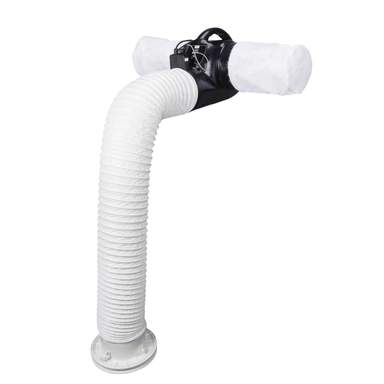
Lo-Carbon PIV System with Heater
- Part Code: AVWHPIVH
- Stock Code: 2786-2582
£312.95 For 1
£375.54 inc VAT


Pureair Home PIV Unit
- Part Code: 479090
- Stock Code: 2660-4274
£339.23 For 1
£407.08 inc VAT

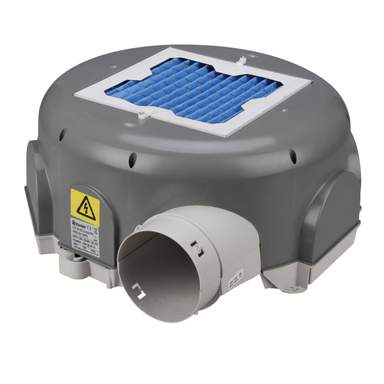
Everdri XELH Positive Input Ventilation Unit
- Part Code: 110022
- Stock Code: 2834-1934
£483.53 For 1
£580.24 inc VAT

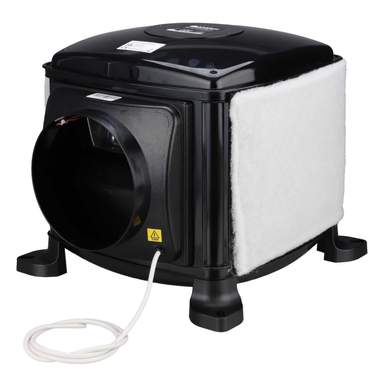
Loftvent Loft Mounted Positive Input Ventilation Unit with Heater
- Part Code: LV2-EVL-H
- Stock Code: 2834-8294
£347.25 For 1
£416.70 inc VAT
dMEV - Decentralised Mechanical Extract Ventilation
Decentralised Mechanical Extract Ventilation is a continuous, energy efficient ventilation solution.
dMEV fans are generally installed in bathrooms, utilities or kitchens and operate continuously at almost silent levels to extract moist and polluted air.
dMEV units provide the following features for improving air quality:
Continuous ventilation
Selectable trickle speeds ranging from 4 to 30 l/s
Boost functionality up to 35 l/s
Humidity sensors to enable boost mode based on increased humidity levels
Benefits for installers and landlords when choosing dMEV systems to help comply with new regulations:
Improved indoor air quality through continuous extraction of moist and stale air
Simple to install and maintain
Near silent operation
Existing extractor fan ducting can often be utilised, so they’re simple to retrofit
Energy efficient – dMEV fans benefit from lower energy consumption than traditional intermittent fans
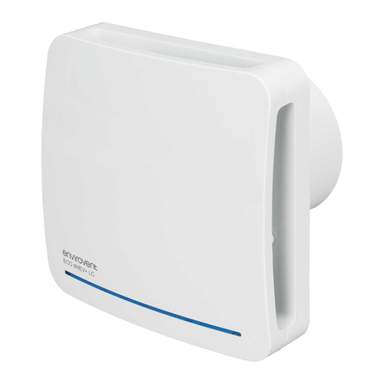
ECO dMEV LC 100mm 4" Fan with Timer and Humidity Sensor
- Part Code: ECO-DMEV+HT-LC
- Stock Code: 2809-0129
£131.28 For 1
£157.54 inc VAT

Centra dMEV Lo Carbon Fan
- Part Code: 441782
- Stock Code: 1471-5358
£156.92 For 1
£188.30 inc VAT
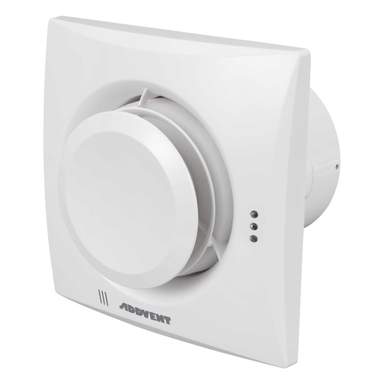
100mm 4" Zone 1 Whisper Quiet Fan with Timer and Humidistat
- Part Code: AVX100ZHB
- Stock Code: 2624-3890
£133.21 For 1
£159.85 inc VAT
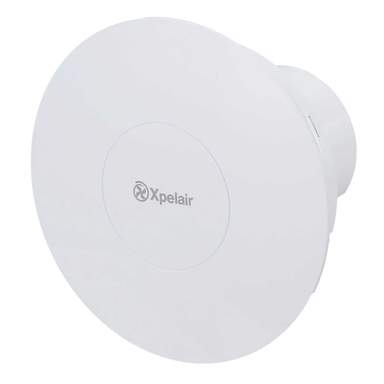
CV4SR 100mm 4" Simply Silent Bathroom Fan with Humidistat and Timer
- Part Code: 078377
- Stock Code: 2629-3537
£111.40 For 1
£133.68 inc VAT
This is your opportunity
This isn’t just a regulatory challenge, it’s a chance to grow. Installers who can offer compliant, efficient, and smart ventilation solutions will be in high demand. Whether you’re upgrading existing systems or fitting new builds, CEF has the stock, expertise, and support to get you job-ready.
Got questions? Pop into your local CEF branch or speak to your account manager. We're here to help you stay ahead and stay compliant.
You can read the full government statement on the regulation changes here.