



3 types of EV Charging


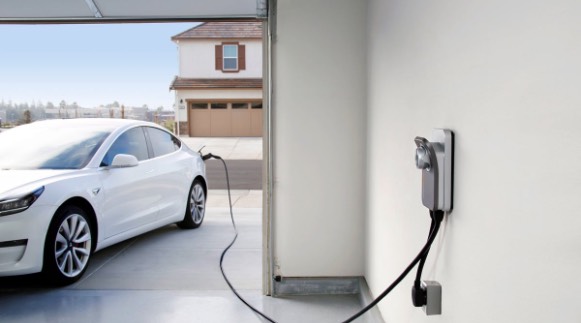
Charging at home is often the most convenient and cost effective way to recharge EV accounting for 80% of all charging done by EV drivers.
Most electric vehicles can be charged at home using a standard EV wallbox which should be fitted by a qualified electrician. A wallbox is safer and quicker than using a domestic socket, as it communicates directly with the car and charging times are reduced by 30%-60%, depending on the vehicle. 3 kW or 7 kW EV chargers are standard for the vast majority of installations.
Learn More
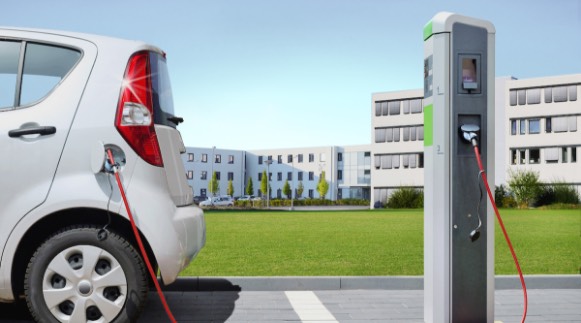
An increasing number of businesses are installing EV charging units for employees and visitors with electric vehicles.
Workplace charging stations help make electric vehicles viable for business users with longer commutes and must be installed in the company’s car park or off-street parking. While EV charging stations are similar to home based units, power ratings tend to be higher with more 7 kW and 22 kW units installed. Business units are often double socket, allowing them to charge two vehicles at the same time. When combined with home charging, workplace charging can double the daily electric range of a vehicle, making use for longer distances viable.
Learn More
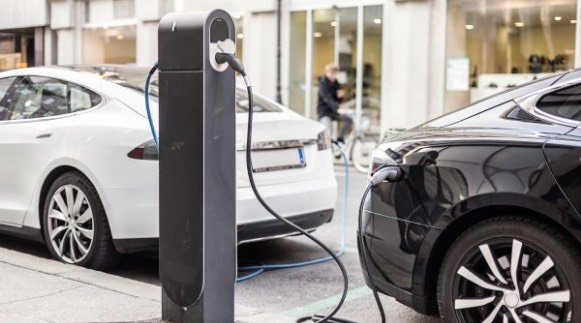
In the UK, there are a growing number of public EV charging points, with some offering national coverage and others only found in specific regions. The major UK wide networks include BP Chargemaster [Polar], Pod Point and Charge Your Car.
When it comes to public charging for longer journeys, rapid charging is recommended. This can provide up to 80% of charge in as little as 20 minutes, making it the quickest means of EV charging in the UK. Public EV charging stations are mostly installed and found at motorway service stations or close to major roads. The most common rapid chargers used are 50 kW DC.e
Learn More
Ev Charging Speeds
As experts in EV charging, we provide three main types of EV charge points available to home and business owners.
These are categorised into rapid, fast, and slow chargers and represent the power output and charging speeds available to charge an EV.
Find out more
Slow Charging
Up to 3kW, slow chargers are most frequently installed at residential addresses where vehicles are likely to be parked overnight.

Fast Charging
Fast chargers can achieve a fully charged electric vehicle in 3-4 hours, including those with a charging power from 7kW to 22kW.

Rapid Charging
The fastest way to charge an EV, rapid chargers are often found in motorway services and can recharge a vehicle to 80% in under an hour.
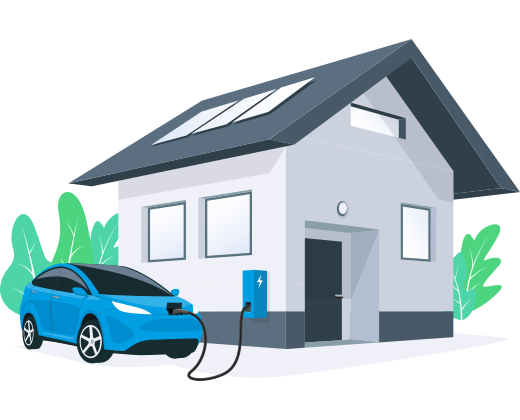
HOW EV CHARGING WORKS
Charging an electric car is a simple process: you simply plug your car into a charge point that is connected to an electricity supply, however EV charging points can vary in shape, size and features.
Some can be installed simply by plugging into a standard wall outlet, while others require a custom installation. The time it takes to charge your car will also vary based on the charger you use.
Learn MoreBack office software
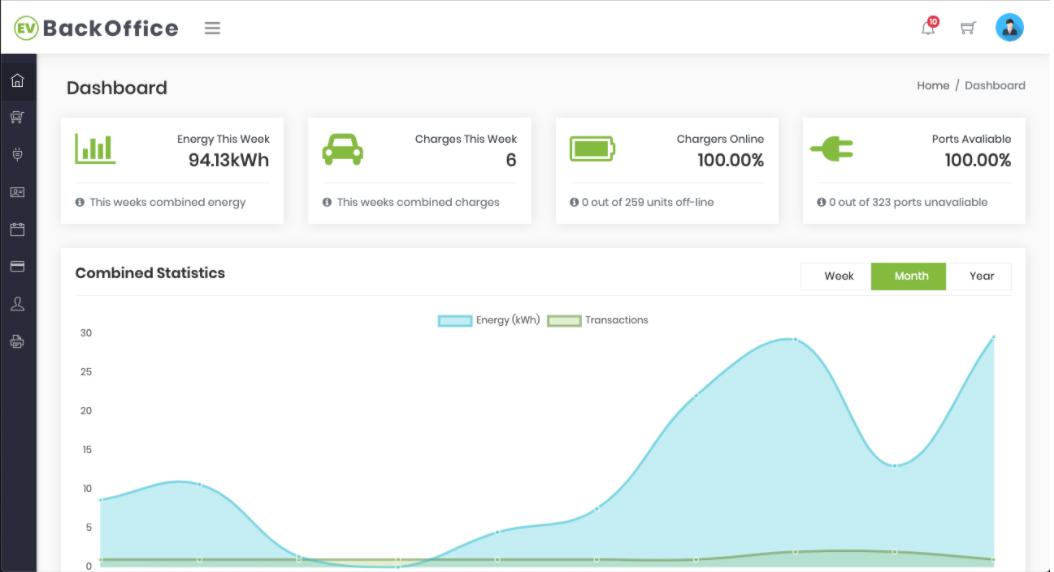
Many electric charging point manufacturers offer some form of back-office support to report on energy use, charge point use and CO2 impact. The level of support varies and can usually be tailored to suit the operator. Back office features can include:
-
Management of all chargers in one back office system
-
Load management
-
Reporting and statistics
OZEV Grants
The UK government offers grants to support the use of electric and hybrid vehicles.
- EV chargers and installers must be OZEV approved to apply
- Grants may require designated, off-street parking
- The EV chargepoint grant provides funding of up to 75% towards the cost of installing electric vehicle smart chargepoints at domestic properties across the UK. It is only open to homeowners who live in flats, and people in rental accommodation (flats and single-use properties). It replaced the Electric Vehicle Homecharge Scheme [EVHS] on 1 April 2022.
Why Choose CEF?

390 Branches Nationwide

EV Expert in Every Branch

Large Range of EV Charging Units & Accessories

Buy Online or In-Branch

Guaranteed Delivery

70 Years Experience